
Why This Flooring Handles Spills, Humidity, and Damp Spaces so Well
LVT Flooring stands out because it resists water better than many other floor types. It does not swell, warp, or stain easily when exposed to moisture. That makes it a smart pick for kitchens, bathrooms, basements, and busy homes. If you want floors that handle spills and damp air without damage, this type of surface is built for that job.
What Makes This Flooring so Moisture Resistant
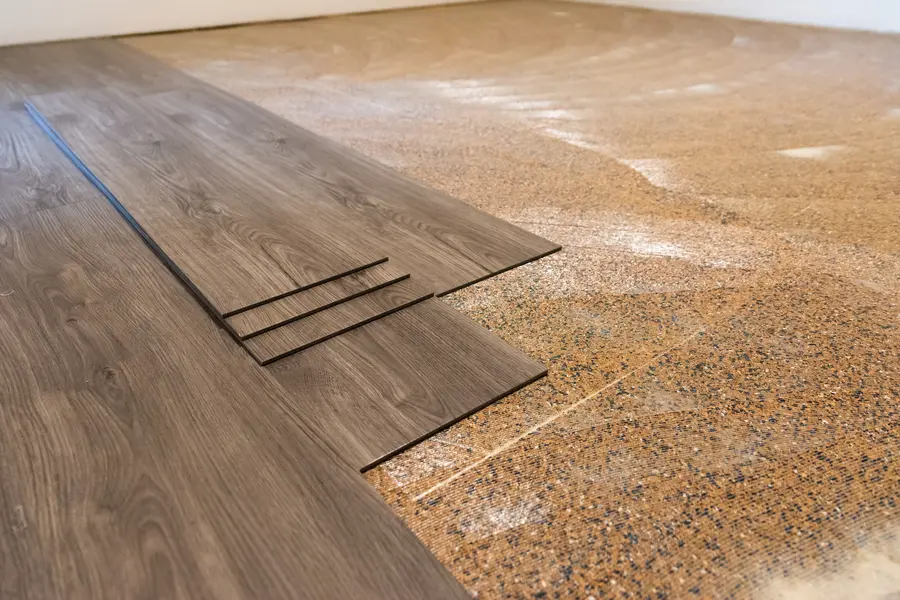
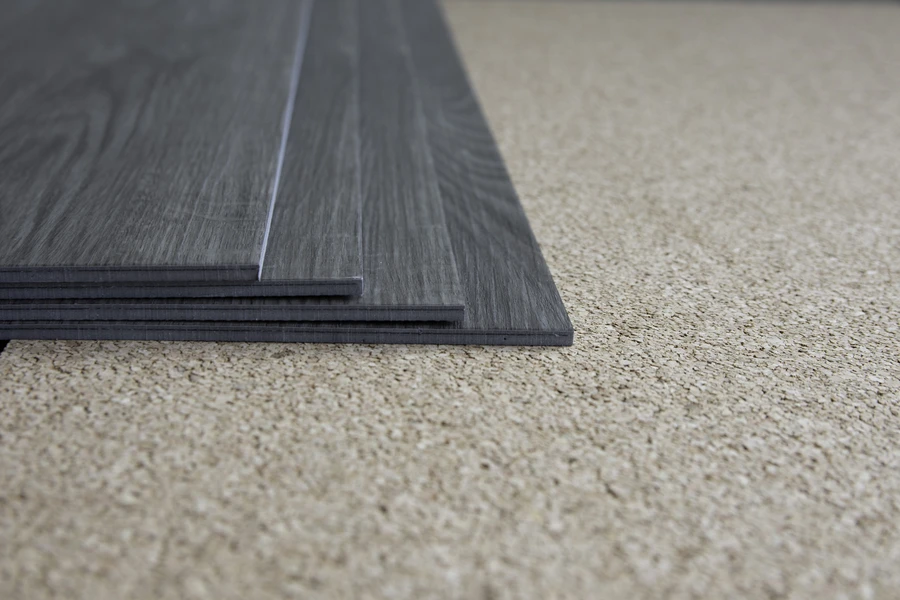
Luxury vinyl tile is made from layered materials. Each layer plays a role in blocking water. The top layer is a clear wear layer. It helps stop stains and scratches. Below that is a printed design layer. Under those layers sits a strong vinyl core. Vinyl does not absorb water like wood does.
Some styles also have a rigid or waterproof core. This adds strength and stability. When water sits on the surface, it stays on top instead of soaking in. That simple difference prevents many common floor problems.
What You Should Check Before Choosing It
Before installing LVT Flooring, look at a few key things in your space. Even water-resistant floors need proper prep.
- Check the subfloor for damp spots.
- Fix plumbing leaks first.
- Measure humidity levels in basements.
- Make sure the surface is clean and level.
A dry and flat base helps the planks or tiles lock together tightly. This keeps water from slipping through the seams.
How Moisture Resistance Works in Real Homes
Imagine a busy kitchen. A glass of water tips over. With hardwood, that spill can soak in and cause dark stains. With carpet, moisture can sink into the padding. LVT Flooring is different. You can wipe up the spill with a towel. The surface stays intact.
Here is how it protects your home step by step:
- Water lands on the sealed top layer.
- The vinyl core blocks absorption.
- Tight seams limit seepage between planks.
- You clean the surface before water sits too long.
In bathrooms, this matters even more. Steamy showers raise humidity levels. Traditional wood may expand in that setting. Vinyl stays stable. This makes it a strong choice for homes in humid climates.
Common Mistakes to Avoid
Even though LVT Flooring handles moisture well, mistakes during installation can cause issues.
- Installing over a wet subfloor.
- Skipping a moisture barrier when needed.
- Not sealing edges in high-splash areas.
- Letting standing water sit for days.
No floor is meant to hold puddles for long periods. Quick cleanup still matters. Water resistance does not mean flood proof without limits.
How It Compares to Other Flooring Options
Understanding the moisture benefits is easier when you compare it to other materials.
- Hardwood: Can warp or cup when wet.
- Laminate: Core may swell if water gets inside.
- Carpet: Absorbs moisture and can trap odors.
- Tile: Water resistant but grout lines may stain.
LVT Flooring combines the look of wood or stone with strong moisture protection. It also feels softer underfoot than ceramic tile. That balance makes it a popular option for families and pet owners.
When to Call a Flooring Professional
Small rooms may be simple to handle. Large areas, uneven subfloors, or past water damage need closer attention. A professional can test moisture levels and recommend the right product thickness and core type. Proper installation helps the floor perform as designed for many years.
Ready for Water-Resistant Floors That Last?
If you are planning new floors in Conroe, TX, moisture protection should be high on your list. We install LVT Flooring with care and attention to detail. At Botnari Construction, our team focuses on long-lasting results for every room in your home. Call (936) 314-1057 today to schedule a consultation and let us help you choose flooring that fits your space and stands up to daily life.