
Hidden Subfloor Problems Can Cause New Floors to Crack, Shift, or Squeak
Common subfloor issues before new flooring goes in include moisture damage, uneven spots, soft or rotted wood, and loose panels. If these problems are not fixed first, your new floors can buckle, squeak, or wear out fast. Before any flooring installation services begin, the subfloor must be clean, dry, level, and solid. Skipping this step can turn a simple project into an expensive repair.
Common Signs Your Subfloor Has a Problem
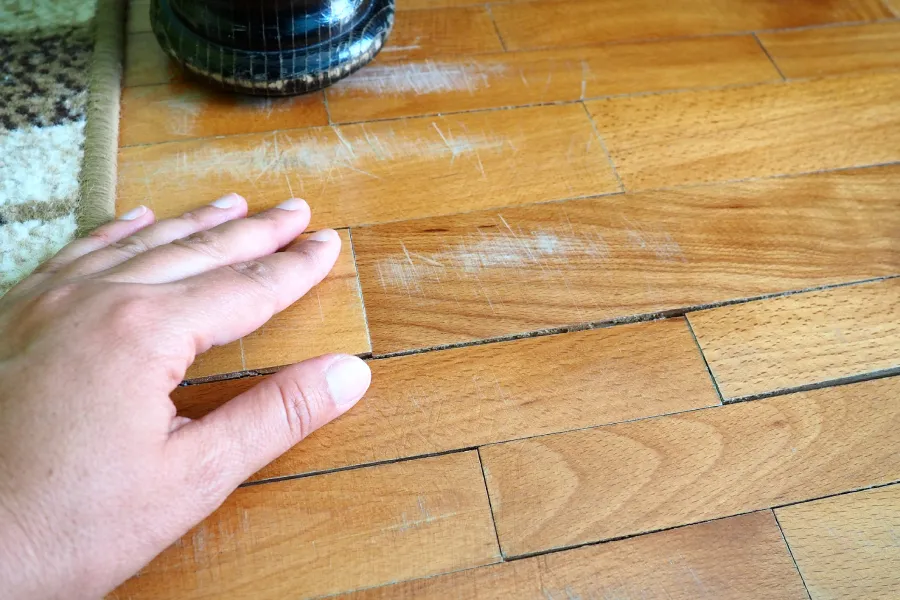
Many subfloor issues show warning signs long before new floors are installed. It is smart to check for these clues during planning.
- Squeaking or creaking when you walk
- Soft or spongy spots under your feet
- Uneven or sloping areas in the room
- Cracks in tile or gaps in old flooring
- Musty smells coming from below
If you notice any of these, the subfloor may need repairs before moving forward.
What Usually Causes Subfloor Damage
Subfloors wear down over time. Water is one of the biggest causes of damage. Leaks from sinks, toilets, tubs, or appliances can soak into wood and weaken it. In basements or crawl spaces, high humidity can also cause swelling.
Poor installation is another common cause. If the original subfloor panels were not secured well, they can shift and rub against nails. That leads to squeaks and movement. In older homes, simple age and heavy foot traffic can also break down materials.
Sometimes the issue is with the concrete slab. Cracks, moisture vapor, or uneven curing can cause trouble for certain flooring types. These problems must be tested and corrected before floor covering installation begins.
What to Check Before Installing New Flooring
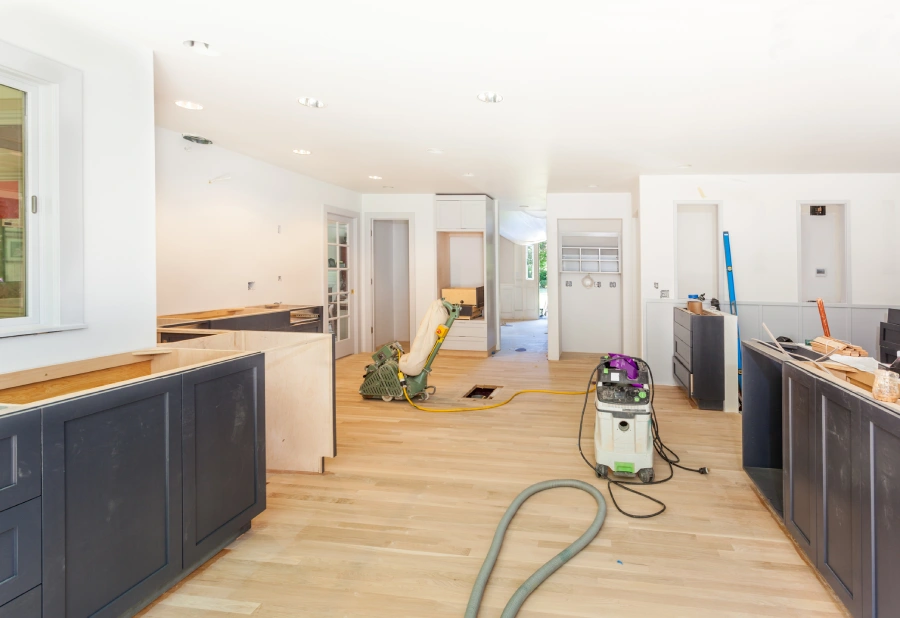
Before starting any flooring installation services, a careful inspection should take place. Here is what professionals often look at first:
- Check for moisture using a moisture meter.
- Look for rot, mold, or dark stains.
- Measure levelness across the room.
- Secure loose panels with screws.
- Inspect joists below for structural damage.
Even small differences in height can affect vinyl plank, hardwood, or tile. Most flooring materials require the surface to be flat within a small margin. If not, planks may separate or tiles may crack.
Safe Fixes Vs Professional-Level Repairs
Some subfloor fixes are simple. Tightening screws to stop minor squeaks or adding a small patch to a damaged spot can be a basic repair. Sanding down a high seam between plywood sheets is also common.
Other problems need skilled repair. Large areas of rot must be cut out and replaced. Major leveling may require self-leveling compound on concrete floors. Structural damage to joists or beams calls for trained help. Trying to cover up serious damage instead of repairing it can lead to failure of the new floor.
This is where experienced flooring installation services make a difference. A trained crew can tell if the issue is cosmetic or structural and recommend the right solution.
How to Prevent Future Subfloor Problems
Once the subfloor is repaired, you want it to stay in good shape. A few smart steps can prevent repeat issues.
- Fix plumbing leaks quickly.
- Use proper moisture barriers under certain flooring.
- Keep indoor humidity at stable levels.
- Clean spills right away.
- Schedule regular home inspections.
In areas with high humidity or heavy rain, extra moisture protection may be needed. That is especially true for hardwood or laminate floors, which are sensitive to water.
Taking time to prepare the surface helps protect your investment. A strong, level base allows new flooring to last longer and look better.
Talk to a Local Flooring Team Before You Install
If you live in Conroe, TX and plan to replace your floors, start with a proper subfloor inspection. At Botnari Construction, we handle full flooring installation services and take time to check what is underneath before any new material goes down. Our team fixes moisture issues, levels surfaces, and replaces damaged panels so your new floors perform the way they should. Call us at (936) 314-1057 to schedule an evaluation and get honest guidance on the next steps for your home.